
The Perseid meteor shower is a meteor shower that generally is cast from within the area around the constellation Perseus, thus the name. This meteor shower generally peaks around August 12th, which it did this year as well. The meteorites consist of the dust and detrius that is left behind from when the comet 109P/Swift-Tuttle; basically, around this time of year our orbit vacuums up a bunch of comet dust, which then burns up in the atmosphere and gives us a pretty light show.
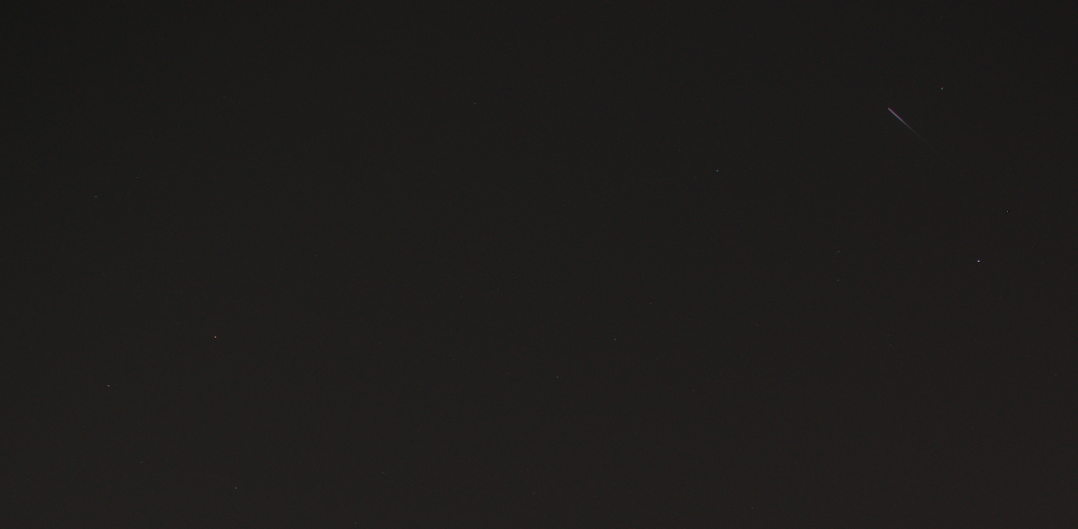
This year, I wanted to try an experiment:
- can you get quasi-passable photos or video of the meteor shower from within the bubble of light pollution of a major city
- how much does an astrophotograpy filter help to reduce said light pollution
To this end, I stripped all my gear off my regular setup and lugged it all out to our rooftop terrace. This consisted of:
- 1x Sony A7 with a Sony 24-70mm lens and a K&F CONCEPT 67mm Clear-Natural Night Filter
- 1x Sony ZV-E10 II, Sigma 16mm f/1.4 Contemporary, no filter
- 2x dummy batteries (the early A7 doesn’t share a battery with the ZV, so it’s 2 different ones)
- a powerbar dangerously sitting on a piece of wood to keep it off the damp terrace floor, it’ll be fine, safety third
- random tripod
- magic arm for the ZV
It looks like this ridiculousness:

So I spent the night not sleeping and babying the cameras, since it did rain on the 12th and I was scared they’d get caught in the rain; only the A7 is weatherproofed, which is horrifying.
What happened?
So, I suck at using the ZV-E10 for taking photos apparently and completely pooched all results from it, lol. Just underexposed garbage. However, since I do know the A7 pretty well (and it’s an absolutely phenomenal camera) I did actually get some decent results out of the A7.
I unfortunately only got a few meteorites through the light pollution, but it did turn out alright. The youtube algorithm clobbers dark video, but here’s an embed of the result (hopefully as youtube’s encoder sorts it out, it’ll be more legible):
As I said earlier, I screwed up the ZV-E10 output badly enough that it wasn’t even worth processing. I am bad and I should feel bad. I’m not going to embed that here and will be keeping my shame in private. Great camera for video otherwise though.
Building the Timelapse
Since I’m a nerd, and Adobe refuses to support Linux, I do need to use non-Adobe software, which caused some new and unique issues compared to when I normally use Lightroom and Premiere. Lightworks was absolutely fighting me and wanted to turn each frame into whole cips instead of single frames in a video, and I’m not here for that. The timelapse ended up being 18 hours long sooo that’s not overly helpful.
What I did end up doing instead was developing with Darktable (and adjusting the brightness down to take out some of the remaining pollution and making the stars/satellites more visible), and then using ffmpeg to stitch them into the full video. The command for posterity was this:
ffmpeg -framerate 10 -pattern_type glob -i "*.jpg" -c:v libx264 -crf 0 output.mp4
So turning the ~ 1300 ARWs out of the camera into jpgs with Darktable, then ram them all into an x264 mp4. Thankfully ffmpeg does order alphabetically so the incremental images just fly in there, very convenient. The syntax is pretty self-explanatory.
How was the filter?
Honestly for the price it’s great, it did noticeably cut down the light pollution (we’re lucky and have largely sodium lights around us). While it can’t work miracles, I don’t know that we would have seen as many stars and the few meteorites we got without it. It’s fun scrubbing through it and picking out the stupid Starlink satellites out from the stars — pretty cool to see that from footage just smack-dab in the middle of a city.
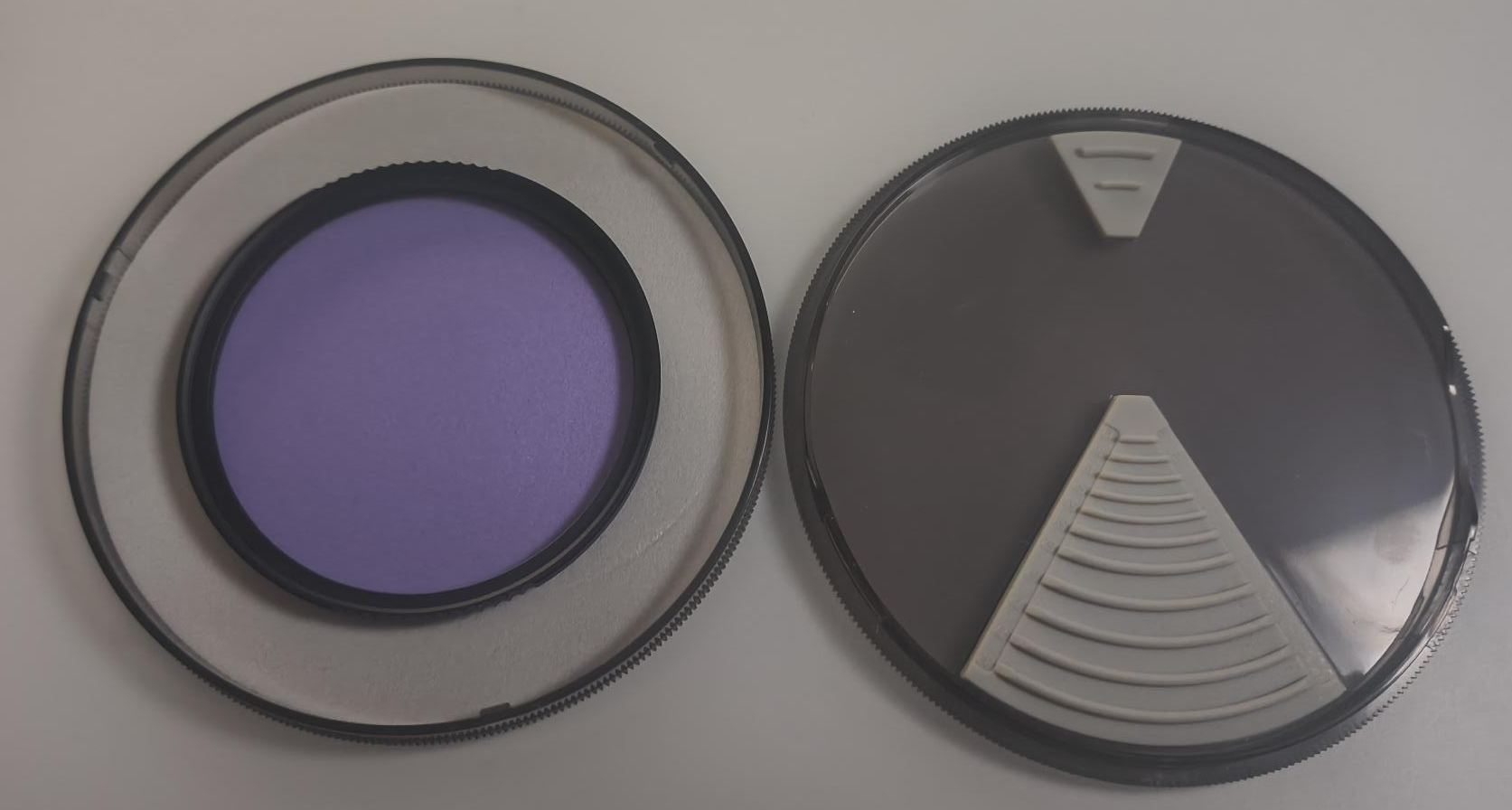
The case wasn’t at all what I expected, but it’s really cool. The rubber nubbins grab it well enough that you could go absolutely ham shaking it and it can’t move; super secure against abuse, let alone knocking around in your camera bag. At $65 CAD it’s a steal, it’s cheap enough that just improving your night photos a bit is worth it. Obviously it comes in every size under the sun, but my E-mount lenses are 67mm so that’s the one I grabbed.
I’ll need to do another pass further out of the city to see how much Milky Way etc we can get. That’s for another time, though.
Man is the A7 a great camera. What a helpful little guy.
Should you want the full version (so you can actually see, thanks YouTube), knowing it’s 4gb and is going to suck if you’re on mobile: Download
Conclusions
As much as it’s great that you can see that much from within the city, I really need to start getting out of the city with my gear and give it a fighting chance. Next year I’ll need to go up north and into a darksky area. Next two will be Draconids on October 8, and Orionids on Oct 21 — so we’ll need to give it another go outside of this nightmare of light pollution.
… I’m gonna go to bed now, nighty night. — DAK